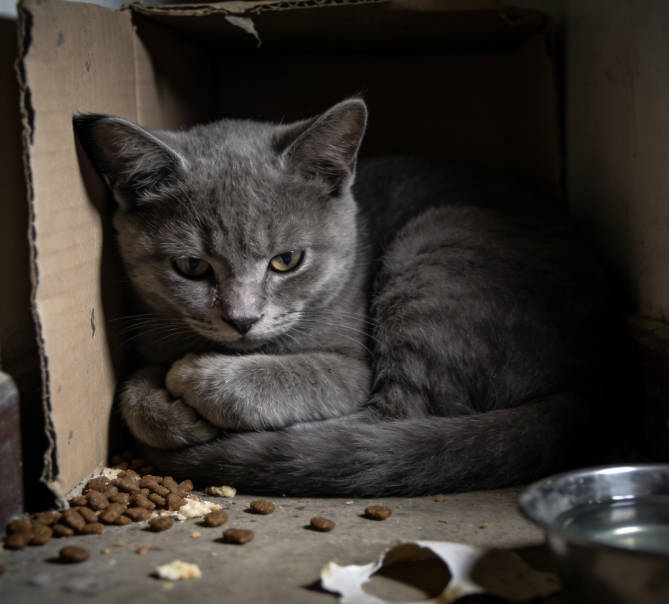
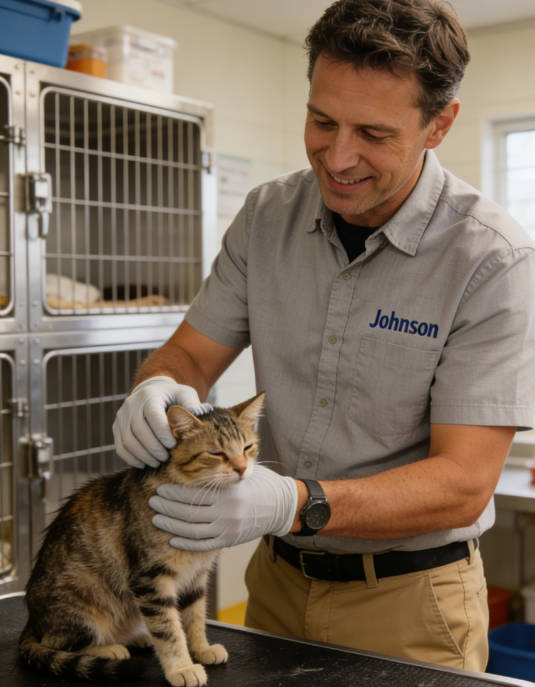
Every cat has its own personality. Some are more outgoing than others, but when a typically social cat suddenly becomes quiet and withdrawn, it catches your attention. In most cases, cat owners don’t know why their cat feels sad or depressed. However, by observing certain signs, you can be reassured that it may just be temporary.
Signs Your Cat May Be Depressed or Sad:
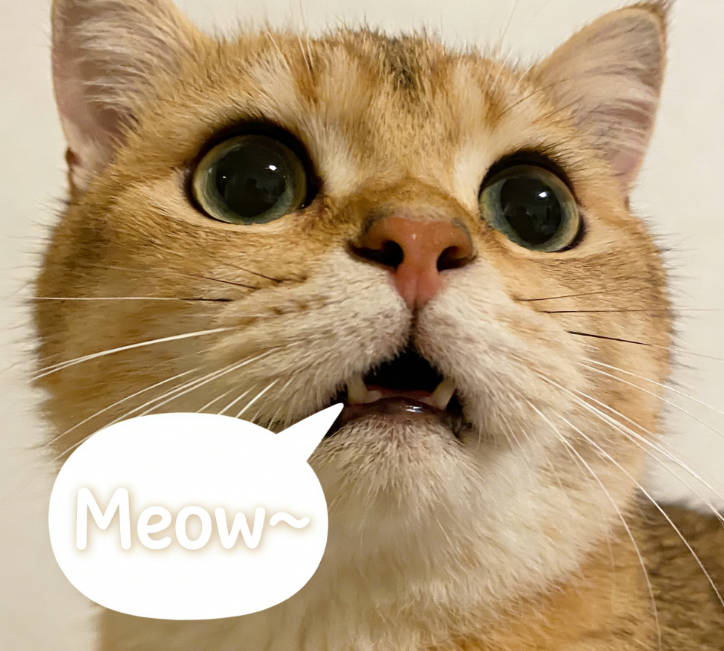
Vocal Changes:
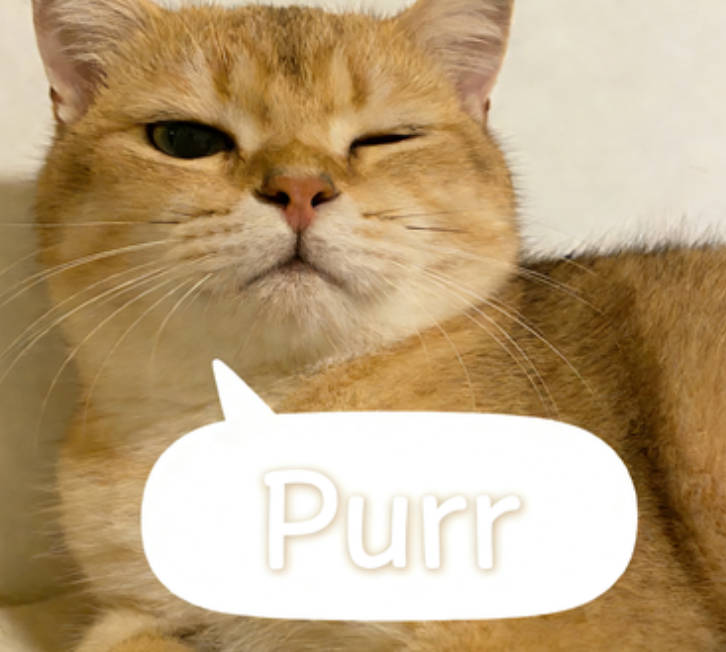
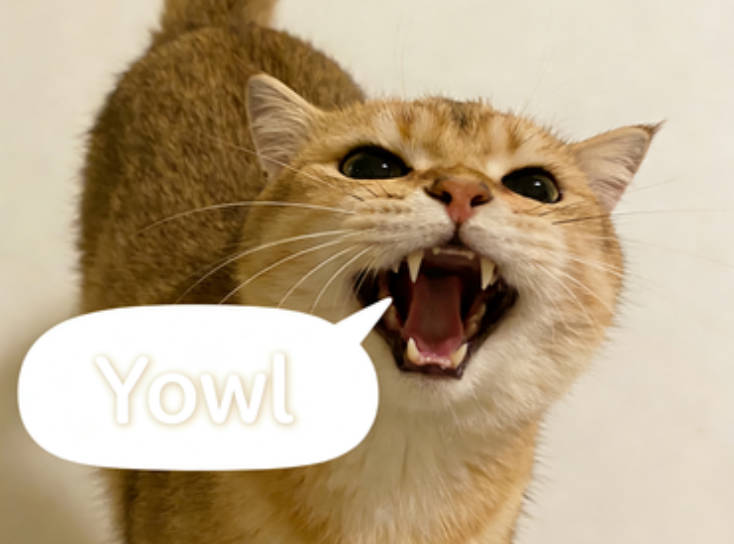
Your cat may vocalize more or less than usual. These vocal changes are important indicators of unhappiness. The sounds may be low-pitched or sad meows. Purring does not always indicate happiness; an unhappy cat may purr as a form of self-soothing. Conversely, a cat that usually vocalizes may become quieter, and a quiet cat may meow more.
Body Language:
Sometimes a cat’s body language can give clues about its unhappiness. Eyes, ears, fur, and overall posture may all indicate sadness. Raised ears, tucked tails, piloerection (raised fur), and other postures communicate silently that your cat may be feeling sad.
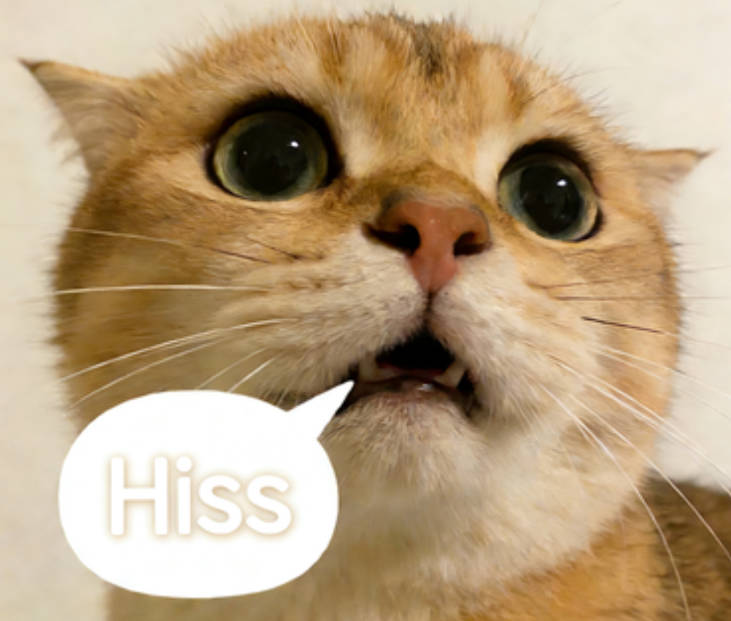
Aggression or Fear:
Sad cats may react more intensely, showing signs of aggression or fear. Behavioral changes that lead to unusual fear or aggression often indicate a depressed or sad cat.
Clinginess, Hiding, or Personality Changes:
A sad cat may lose interest in activities it once enjoyed, becoming withdrawn and hiding more. Conversely, more reserved cats may become clingy, seeking extra attention. Fear of strangers often increases when cats are sad, and most cats tend to show similar caution around unfamiliar people.
Excessive Sleeping:
Cats naturally sleep a lot, but depressed or sad cats may sleep even more. A change in preferred sleeping spots can also indicate sadness.
Stopping Grooming or Neglecting Self-Care:
Neglecting grooming is a sign of unhappiness and potential health issues. Cats that feel uncomfortable or depressed often stop grooming themselves, leading to messy, unkempt fur.
Loss of Appetite or Changes in Eating Habits:
If your cat stops eating or shows sudden changes in appetite, it may be unhappy. Sad cats might lose interest in previously enjoyed food, even their favorite treats.
Urinating Outside the Litter Box:
A sad cat may use its scent in inappropriate places to feel better. Besides stress or sadness, other factors can cause litter box issues. Cats may urinate on balconies, in bedrooms, or in areas with lingering scents of deceased or missing family members to mark their territory. Litter box issues should always be monitored carefully.
Excessive Scratching:
Sad or depressed cats may scratch more than usual, either to relieve stress or mark territory.
Causes of Cat Depression and Sadness:
Cats can become depressed due to changes in relationships with human or non-human family members. Regardless of the cause, extra time and care are needed to restore their happiness. If pain is the culprit, a veterinarian visit is essential.
1. Illness:
Health issues can make cats uncomfortable or even cause pain. Cats may stop playing, feel nauseous, lose appetite, experience hormonal imbalances, or become lethargic due to illnesses such as fatty liver disease, FIV, FeLV, upper respiratory infections, diabetes, hypothyroidism, dental disease, and more. If you suspect illness is causing your cat’s depression, arrange a veterinary check-up immediately.
2. Injury:
Injuries may limit a cat’s ability to do activities it enjoys. Pain from injuries can reduce their happiness. Even old surgeries or past injuries may cause lingering discomfort, which may require chronic pain management.
3. Loss of a Loved One:
Losing a family member, human or animal, is difficult for anyone, including cats. When a family member passes away or moves out, cats may feel sad or depressed. Usually, this behavior is temporary, and cats gradually return to normal. Cats may benefit from a new feline companion, though sometimes they may not. Major changes in the household usually improve with time, and natural remedies such as calming pheromones and nutritional supplements can help cats feel happier during the adjustment period.
Comments (50)
Pet Lover
Great article! Very informative for pet owners.
Cat Parent
Thank you for sharing this helpful information!